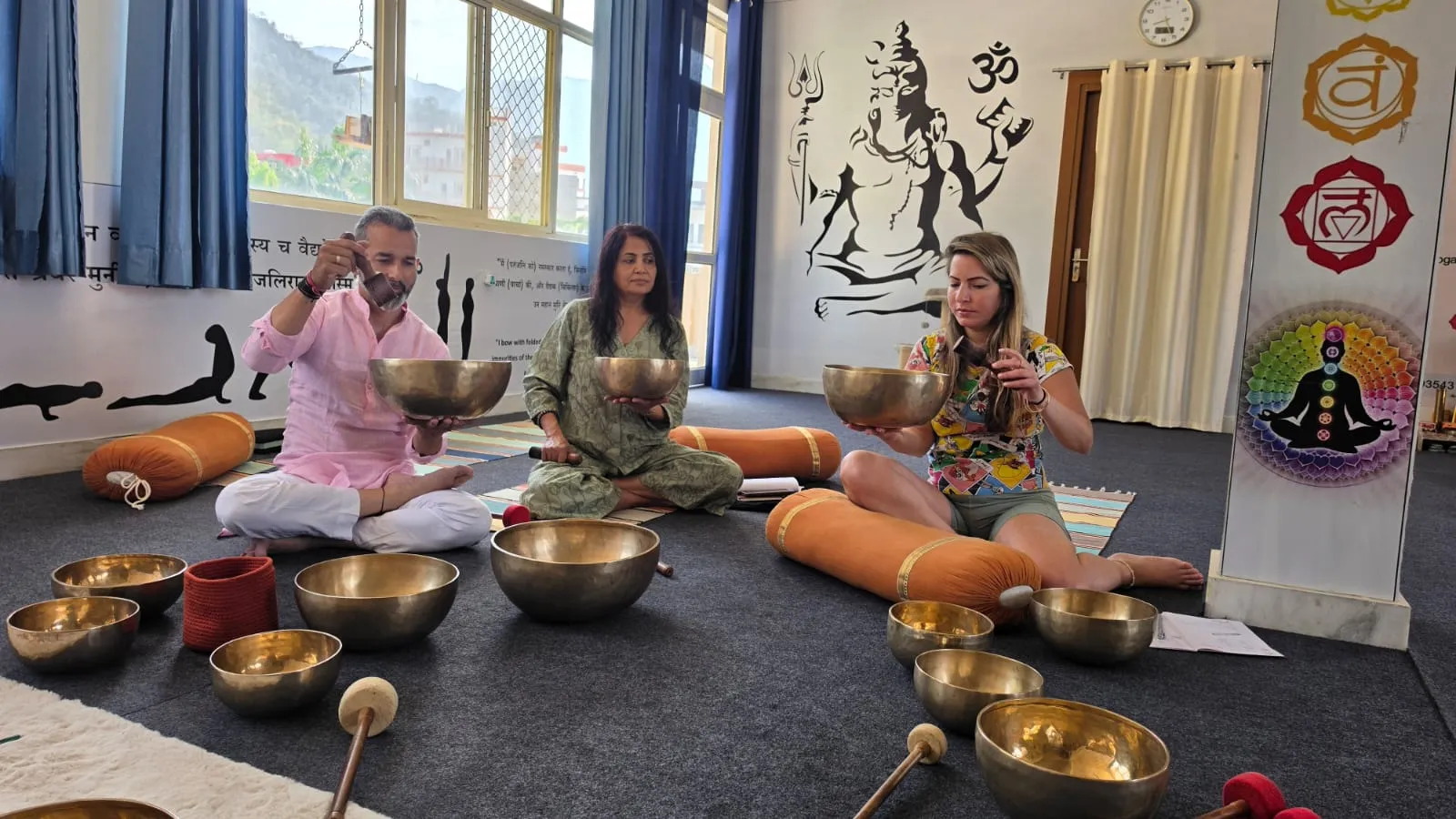
Sound healing is one of the oldest holistic wellness practices, dating back thousands of years. Today, it is gaining worldwide recognition as more people seek natural ways to reduce stress, improve relaxation, and support their meditation practice. If you have ever searched for what is sound healing, you are not alone. Interest in this ancient practice has increased significantly because people are becoming more aware of the connection between mental, emotional, and physical well-being.
At its core, sound healing uses soothing sounds, vibrations, and frequencies produced by instruments such as Tibetan singing bowls, crystal singing bowls, gongs, tuning forks, bells, and chimes. These sounds are intended to create a calming environment that helps the body and mind relax deeply. While many people report positive experiences during sound healing sessions, it is important to understand that sound healing is considered a complementary wellness practice and should not replace professional medical treatment.
Whether you are completely new to holistic therapies or already practice yoga and meditation, this guide will help you understand what sound healing is, how it works, its potential benefits, and why it has become a valuable addition to many wellness routines.
What Is Sound Healing?
Sound healing is a wellness practice that uses carefully created sounds and vibrations to promote relaxation, mindfulness, and emotional balance. Practitioners play different instruments to produce harmonious tones that encourage participants to enter a deeply relaxed state. Unlike listening to music for entertainment, sound healing focuses on creating immersive sound experiences that support meditation and inner awareness.
The philosophy behind sound healing is rooted in ancient traditions from India, Tibet, Nepal, China, and other cultures where sound has long been used during spiritual ceremonies, meditation, and healing rituals. Modern sound healing combines these traditional practices with contemporary wellness approaches, making it accessible to people from all backgrounds.
Many yoga studios, wellness centers, retreat facilities, and meditation schools now include sound healing sessions as part of their programs. These sessions are often referred to as sound baths because participants are surrounded by layers of soothing sounds that create a peaceful atmosphere.
- Uses therapeutic sounds and vibrations
- Often combined with yoga and meditation
- Suitable for beginners and experienced practitioners
- Focuses on relaxation and mindfulness
- Can be practiced individually or in groups
The History of Sound Healing
The practice of using sound for healing is not new. Ancient civilizations understood the importance of sound long before modern wellness practices emerged. In India, sacred mantras have been chanted for thousands of years during meditation and spiritual ceremonies. Tibetan monks developed singing bowls that continue to be widely used today, while indigenous cultures around the world incorporated drums, chanting, and natural sounds into healing rituals.
As holistic wellness became more popular globally, sound healing evolved into a structured practice that combines traditional instruments with modern relaxation techniques. Today, practitioners may use Tibetan singing bowls, crystal bowls, gongs, tuning forks, monochords, and guided vocal sounds to create immersive experiences that encourage mindfulness and relaxation.
Although the methods have expanded, the underlying purpose remains the same: helping individuals slow down, become more present, and cultivate a sense of inner calm.
How Does Sound Healing Work?
A typical sound healing session begins with participants lying comfortably on yoga mats or sitting in a relaxed position. The practitioner introduces gentle breathing exercises before gradually playing different sound healing instruments. As the sounds fill the room, participants are encouraged to simply listen, breathe naturally, and allow themselves to relax.
The vibrations produced by singing bowls, gongs, or tuning forks create an immersive listening experience. Many participants describe feeling deeply relaxed, mentally refreshed, or emotionally lighter after a session. While researchers continue studying the effects of sound-based relaxation techniques, several studies suggest that relaxing sound environments may help reduce stress, improve mood, and support mindfulness practices.
Rather than requiring effort or concentration, sound healing invites participants to become passive observers of the sounds around them. This makes it an accessible practice for beginners who may find silent meditation challenging.
- Deep breathing helps prepare the mind.
- Therapeutic instruments produce calming sounds.
- Participants remain still and relaxed.
- Mindfulness naturally develops through focused listening.
- Sessions often conclude with quiet reflection.
Common Instruments Used in Sound Healing
One of the most fascinating aspects of sound healing is the variety of instruments used to create therapeutic soundscapes. Each instrument produces unique tones and vibrations that contribute to the overall experience. Skilled practitioners carefully combine different sounds to create sessions that encourage relaxation and meditation.
Tibetan singing bowls remain among the most recognized sound healing instruments because of their rich, sustained tones. Crystal singing bowls are also widely used for their clear, resonant sounds. Gongs provide powerful sound waves that fill the room, while tuning forks offer precise frequencies that practitioners sometimes incorporate into individual sessions.
- Tibetan Singing Bowls
- Crystal Singing Bowls
- Gongs
- Tuning Forks
- Wind Chimes
- Bells
- Ocean Drums
- Shruti Box
Who Can Practice Sound Healing?
One of the greatest advantages of sound healing is that it is suitable for almost everyone interested in relaxation and holistic wellness. You do not need previous experience in meditation or yoga to participate in a session. Beginners often find sound healing easier than silent meditation because the sounds naturally help maintain focus.
Yoga teachers, wellness coaches, meditation instructors, therapists, holistic practitioners, and individuals simply looking to reduce everyday stress often include sound healing in their wellness routines. Many people also explore professional certification programs to learn how to conduct safe and effective sound healing sessions for others.
Benefits of Sound Healing
Many people are drawn to sound healing because it offers an opportunity to slow down, disconnect from daily pressures, and reconnect with themselves. Although individual experiences vary, participants frequently describe feeling calmer, more centered, and mentally refreshed after a session. Sound healing is often incorporated into broader wellness routines that include yoga, meditation, healthy nutrition, and mindful living.
Research on sound healing is still developing, but some studies suggest that relaxing sound environments may help reduce stress and promote feelings of well-being. Rather than viewing sound healing as a cure for medical conditions, it is best understood as a complementary practice that supports relaxation, mindfulness, and overall wellness.
- Encourages deep relaxation and stress reduction.
- Supports meditation and mindfulness practices.
- May improve focus and mental clarity.
- Helps create a peaceful environment for emotional balance.
- Can support better sleep when combined with healthy habits.
- Provides a calming break from daily distractions.
- Complements yoga, breathwork, and other holistic therapies.
Sound Healing and Meditation
Sound healing and meditation naturally complement one another. While meditation encourages awareness of the present moment, sound healing provides gentle auditory guidance that many beginners find easier to follow than complete silence. The soothing sounds help reduce external distractions, making it easier to focus on breathing and relaxation.
Many meditation teachers begin sessions with singing bowls or gentle chimes because these sounds signal the mind to slow down and transition into a more peaceful state. Over time, regular meditation combined with sound healing may help establish a consistent mindfulness practice that supports emotional well-being and inner calm.
If you are new to meditation, attending a guided sound healing session can be an excellent introduction. The relaxing atmosphere often helps participants remain present without feeling pressure to "empty the mind" or meditate perfectly.
What to Expect During Your First Sound Healing Session
Your first sound healing session is designed to be simple and relaxing. Most sessions begin with a brief introduction from the practitioner, followed by comfortable positioning on a yoga mat, meditation cushion, or chair. Participants are encouraged to wear loose, comfortable clothing and simply enjoy the experience without expectations.
As the session begins, different instruments are played in a gentle sequence. You may hear the deep resonance of Tibetan singing bowls, the powerful vibrations of a gong, or the clear tones of crystal singing bowls. Some people notice physical sensations such as warmth or gentle vibrations, while others simply experience deep relaxation. Every experience is unique, and there is no right or wrong way to respond.
- Arrive a few minutes early to settle in.
- Wear comfortable clothing.
- Stay hydrated before and after the session.
- Focus on slow, natural breathing.
- Allow yourself to relax without expectations.
Should You Learn Sound Healing?
If you enjoy yoga, meditation, or holistic wellness, learning sound healing can be a valuable addition to your personal or professional journey. Many yoga teachers, wellness coaches, therapists, and meditation instructors integrate sound healing into their existing practices to create more immersive relaxation experiences for their clients.
Professional training provides hands-on experience with singing bowls, sound meditation techniques, session planning, and safe practice guidelines. It also helps students understand the history, principles, and practical application of sound healing in modern wellness settings. Choosing a reputable training program ensures you receive structured guidance and practical skills that can be applied responsibly.
Frequently Asked Questions
Is sound healing safe?
For most healthy individuals, sound healing is considered a gentle and relaxing wellness practice. However, anyone with specific medical conditions, hearing sensitivities, or concerns should consult a qualified healthcare professional before participating.
Do I need meditation experience?
No. Sound healing is suitable for beginners as well as experienced meditation practitioners. Many people find it easier to relax with soothing sounds than with silent meditation alone.
How long does a sound healing session last?
Most sessions last between 45 and 90 minutes, depending on the practitioner, group size, and program structure.
Can sound healing cure diseases?
Sound healing should not be viewed as a cure or replacement for medical treatment. It is generally used as a complementary wellness practice that supports relaxation, mindfulness, and stress management alongside appropriate healthcare.
How often should I attend a sound healing session?
There is no fixed schedule. Some people attend weekly sessions, while others participate monthly or during wellness retreats. The frequency depends on your personal wellness goals and lifestyle.
Conclusion
Understanding what is sound healing is the first step toward exploring one of the world's oldest holistic wellness practices. By combining soothing sounds, mindful breathing, and deep relaxation, sound healing offers a unique opportunity to slow down and reconnect with yourself. Whether you are seeking a peaceful complement to your meditation practice or looking to expand your knowledge of holistic wellness, sound healing provides an accessible and enriching experience.
If you wish to explore this practice further, consider joining a professional training program at Rishikesh Yoga Healing School. Through guided instruction and practical experience, you can learn traditional sound healing techniques, meditation practices, and the effective use of Tibetan singing bowls in a supportive learning environment.
Related Articles
- What Is Sound Healing? A Beginner's Complete Guide
- How Does Sound Healing Work? Science, Frequencies & Benefits
- 15 Benefits of Sound Healing for Mind and Body
- Sound Healing for Anxiety: Can Vibrations Calm the Mind?
- Sound Healing for Better Sleep: Does It Really Help?
- What Happens During a Sound Healing Session? Complete Beginner's Guide
- Sound Healing vs Meditation: What's the Difference?
- Singing Bowls Explained: How They Help in Healing
- Tibetan Singing Bowls vs Crystal Singing Bowls: Which Is Better?
- Best Healing Frequencies Explained (396Hz–963Hz): Complete Guide
- What Is Sound Bath Meditation? Benefits & Beginner Guide
- Can Sound Healing Reduce Stress Naturally
- Is Sound Healing Backed by Science? Research, Benefits & Facts
- Chakra Sound Healing: Understanding Each Energy Center
- 7 Signs Your Body Needs Sound Healing
Start Your Sound Healing Learning Journey
Join our sound healing programs and explore the power of sound, vibration, and holistic wellness.
Contact Us