Quality sleep is one of the most important foundations of good health, yet millions of people struggle to get enough restful sleep every night. Stress, anxiety, excessive screen time, irregular schedules, and busy lifestyles often make it difficult to fall asleep or stay asleep. As a result, many people are exploring natural wellness practices that encourage relaxation before bedtime. One approach that has gained considerable attention is sound healing for sleep.
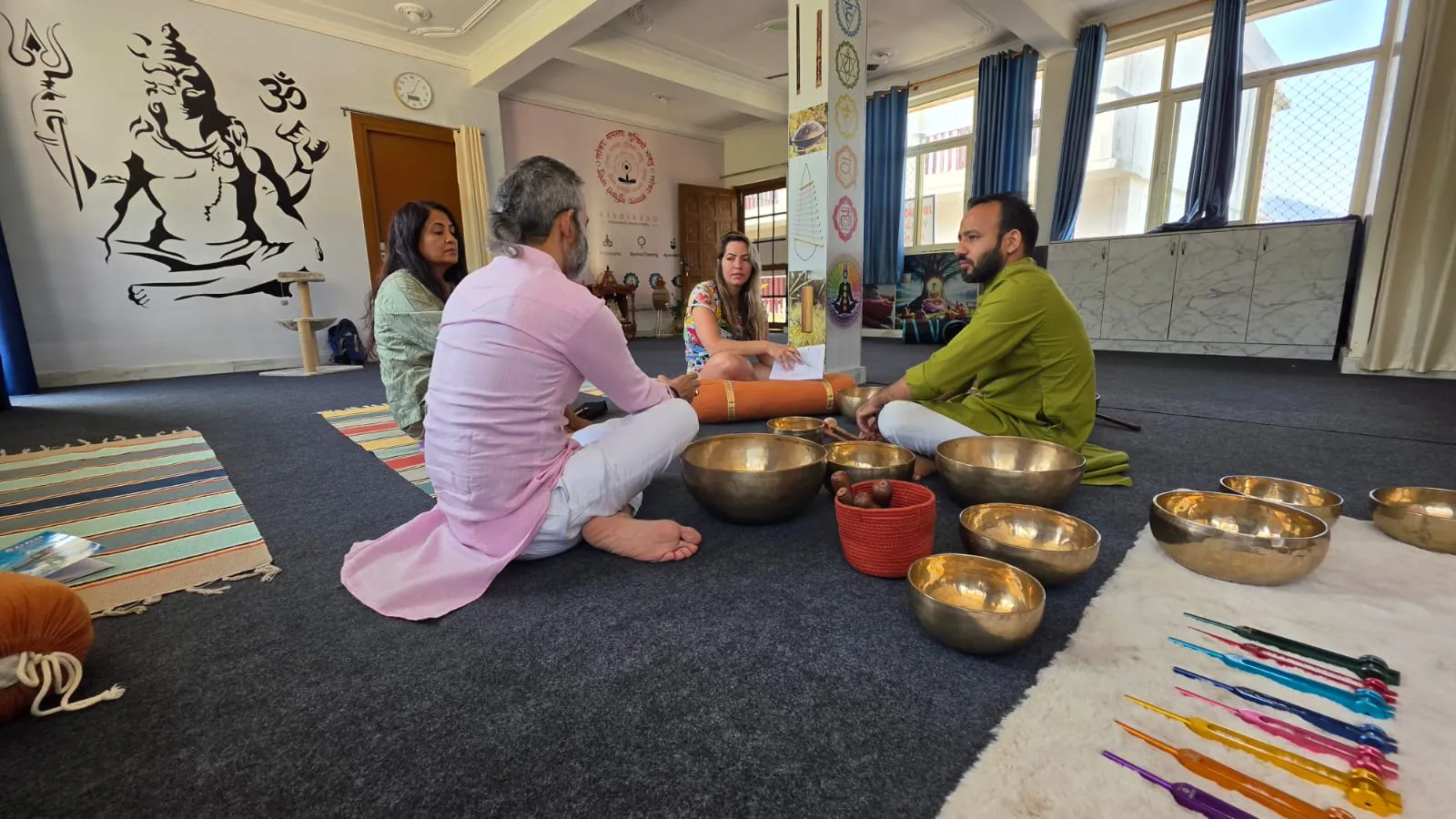
Sound healing uses soothing sounds and gentle vibrations produced by instruments such as Tibetan singing bowls, crystal singing bowls, gongs, tuning forks, and chimes. These calming sounds create an environment that encourages relaxation and mindfulness, making them a popular addition to evening meditation routines and wellness practices. While sound healing is not a medical treatment for sleep disorders, many people find that it helps them unwind after a stressful day and prepare for a more peaceful night's rest.
In this guide, you'll learn how sound healing for sleep works, why relaxation plays an important role in healthy sleep habits, what current research suggests, and how you can incorporate sound healing into your nightly routine.
Why Sleep Is Essential for Overall Well-Being
Sleep allows the body and mind to recover from daily activities. During healthy sleep, the brain processes information, the body repairs tissues, and important physiological functions continue to support overall health. Consistently poor sleep can affect concentration, mood, productivity, and general well-being.
Modern lifestyles often interfere with natural sleep patterns. Long working hours, digital devices, caffeine consumption, emotional stress, and irregular bedtime routines can all contribute to restless nights. Establishing relaxing bedtime habits has become increasingly important for maintaining healthy sleep.
Many wellness professionals recommend creating an evening routine that encourages both physical and mental relaxation. Meditation, breathwork, gentle stretching, and sound healing are commonly included because they help signal to the body that it is time to slow down.
How Sound Healing for Sleep Works
One of the main reasons people explore sound healing for sleep is because calming sounds naturally encourage relaxation. During a sound healing session, participants listen to soothing tones produced by traditional instruments while practicing slow breathing and mindful awareness. Rather than forcing the mind to become quiet, the sounds provide a gentle focus that helps reduce everyday mental distractions.
As participants become more relaxed, many report that they feel calmer, less tense, and better prepared for rest. While experiences vary, creating a peaceful environment before bedtime may support healthier sleep habits when practiced consistently.
Many people also use recorded singing bowl meditations or guided sound healing sessions at home as part of their nighttime routine. These recordings can help create a calming atmosphere before sleep, especially when combined with good sleep hygiene practices.
- Encourages relaxation before bedtime.
- Supports mindful breathing.
- Helps reduce evening stress.
- Creates a peaceful sleeping environment.
- Complements meditation and mindfulness.
Can Sound Healing Improve Sleep Quality?
Scientific research into sound healing continues to grow, although more studies are needed to understand its long-term effects on sleep quality. Current evidence suggests that relaxation-based practices such as meditation, mindful breathing, calming music, and soothing sound environments may help individuals reduce stress and prepare for sleep.
Rather than directly causing sleep, sound healing works by encouraging relaxation. Many sleep difficulties are connected to stress, racing thoughts, or difficulty unwinding after a busy day. By helping participants slow their breathing and focus on calming sounds, sound healing may support a bedtime routine that promotes better rest.
It is important to remember that persistent insomnia or other sleep disorders should always be evaluated by qualified healthcare professionals. Sound healing is best used as a complementary wellness practice rather than a replacement for medical advice or treatment.
Benefits of Sound Healing Before Bedtime
Adding sound healing to your evening routine offers several potential wellness benefits. While individual experiences differ, many participants appreciate the opportunity to disconnect from daily responsibilities and create intentional time for relaxation before sleep.
When practiced consistently, sound healing may become part of a calming bedtime ritual that prepares both the mind and body for restful sleep.
- Supports relaxation before bedtime.
- Encourages mindfulness.
- May help reduce everyday stress.
- Promotes emotional balance.
- Creates a peaceful sleep environment.
- Complements meditation and breathwork.
- Supports healthy evening routines.
Creating a Relaxing Bedtime Routine with Sound Healing
Developing healthy bedtime habits is one of the most effective ways to improve sleep quality naturally. While many people focus only on the number of hours they sleep, the activities performed before bedtime also play an important role. A consistent evening routine signals to the brain that it is time to slow down and prepare for rest. Sound healing can become a valuable part of this routine by creating a peaceful atmosphere that encourages relaxation.
You don't need a professional sound healing studio to experience calming sounds before bed. Many people listen to Tibetan singing bowls, crystal singing bowls, gentle chimes, or guided sound healing meditations at home. Combining these sounds with dim lighting, deep breathing, and a comfortable environment can help create a relaxing transition from a busy day to a restful night.
Consistency is more important than duration. Practicing for 15 to 30 minutes before bedtime several times a week may be more beneficial than occasional longer sessions. Over time, your body may begin associating these relaxing sounds with winding down for sleep.
- Turn off mobile devices at least 30–60 minutes before bedtime.
- Keep your bedroom quiet, cool, and comfortable.
- Practice slow, deep breathing while listening to soothing sounds.
- Avoid caffeine and heavy meals close to bedtime.
- Maintain a consistent sleep schedule every day.
Combining Sound Healing with Meditation and Breathwork
Many wellness practitioners recommend combining sound healing for sleep with meditation and breathwork. Meditation encourages mindfulness and present-moment awareness, while slow breathing helps relax both the mind and body. Together, these practices create a calming bedtime ritual that supports overall wellness.
A simple evening routine might include five minutes of gentle stretching, followed by mindful breathing, a sound healing meditation using singing bowls, and a few minutes of silent relaxation. This combination encourages the body to gradually shift away from the stress of daily life and toward a more peaceful state before bedtime.
Although results vary from person to person, practicing these relaxation techniques consistently may help establish healthier nighttime habits while supporting emotional well-being.
Who Can Benefit from Sound Healing for Sleep?
Sound healing is suitable for anyone looking to create a more relaxing evening routine. Whether you occasionally struggle to unwind after work or simply want to improve your mindfulness practice before bed, sound healing offers a gentle and accessible wellness activity. Since it requires no physical effort or previous experience, it is suitable for beginners and experienced meditation practitioners alike.
Many yoga teachers, wellness coaches, meditation instructors, therapists, and holistic practitioners also recommend sound healing as part of broader self-care programs. Group sound baths, guided meditation sessions, and personal home practice all provide opportunities to experience calming sounds in different settings.
Individuals experiencing ongoing insomnia, chronic sleep disturbances, or medical sleep disorders should seek advice from qualified healthcare professionals. Sound healing can complement healthy sleep habits but should never replace professional diagnosis or treatment.
- Busy professionals
- Students
- Yoga practitioners
- Meditation beginners
- Wellness enthusiasts
- People seeking natural relaxation techniques
- Anyone wanting to improve their bedtime routine
Learn Professional Sound Healing Techniques
If you enjoy practicing sound healing personally, you may also consider learning it professionally. A structured Sound Healing Certification program teaches students how to use Tibetan singing bowls, crystal singing bowls, tuning forks, and other traditional instruments safely and effectively. Professional training combines practical experience with meditation, breathwork, and relaxation techniques that can be integrated into yoga classes, retreats, and wellness programs.
Learning from experienced instructors helps students understand not only how to play the instruments but also how to create meaningful sound healing sessions that encourage relaxation and mindfulness. Professional education also covers the history, philosophy, and responsible application of sound healing in modern holistic wellness.
Whether your goal is personal development or expanding your wellness career, sound healing training offers valuable knowledge and practical skills that can benefit both you and the people you serve.
Conclusion
Interest in sound healing for sleep continues to grow as more people seek natural ways to improve relaxation and create healthier bedtime routines. Through soothing sounds, mindful breathing, and meditation, sound healing encourages the mind and body to slow down after a busy day. While it is not a treatment for medical sleep disorders, it can be a valuable complementary wellness practice that supports better sleep habits and overall well-being.
Combining sound healing with meditation, yoga, breathwork, regular exercise, and healthy sleep hygiene creates a balanced approach to wellness. Small daily habits often make the biggest difference, and dedicating even a few minutes each evening to relaxation can help establish a more peaceful nighttime routine.
If you'd like to experience authentic sound healing or become a certified practitioner, join the Sound Healing Certification Course at Rishikesh Yoga Healing School. Our experienced instructors provide hands-on training in Tibetan singing bowls, meditation, and holistic wellness practices, helping students develop practical skills for both personal growth and professional success.
Related Articles
- What Is Sound Healing? A Beginner's Complete Guide
- How Does Sound Healing Work? Science, Frequencies & Benefits
- 15 Benefits of Sound Healing for Mind and Body
- Sound Healing for Anxiety: Can Vibrations Calm the Mind?
- Sound Healing for Better Sleep: Does It Really Help?
- What Happens During a Sound Healing Session? Complete Beginner's Guide
- Sound Healing vs Meditation: What's the Difference?
- Singing Bowls Explained: How They Help in Healing
- Tibetan Singing Bowls vs Crystal Singing Bowls: Which Is Better?
- Best Healing Frequencies Explained (396Hz–963Hz): Complete Guide
- What Is Sound Bath Meditation? Benefits & Beginner Guide
- Can Sound Healing Reduce Stress Naturally
- Is Sound Healing Backed by Science? Research, Benefits & Facts
- Chakra Sound Healing: Understanding Each Energy Center
- 7 Signs Your Body Needs Sound Healing
Start Your Sound Healing Learning Journey
Join our sound healing programs and explore the power of sound, vibration, and holistic wellness.
Contact Us