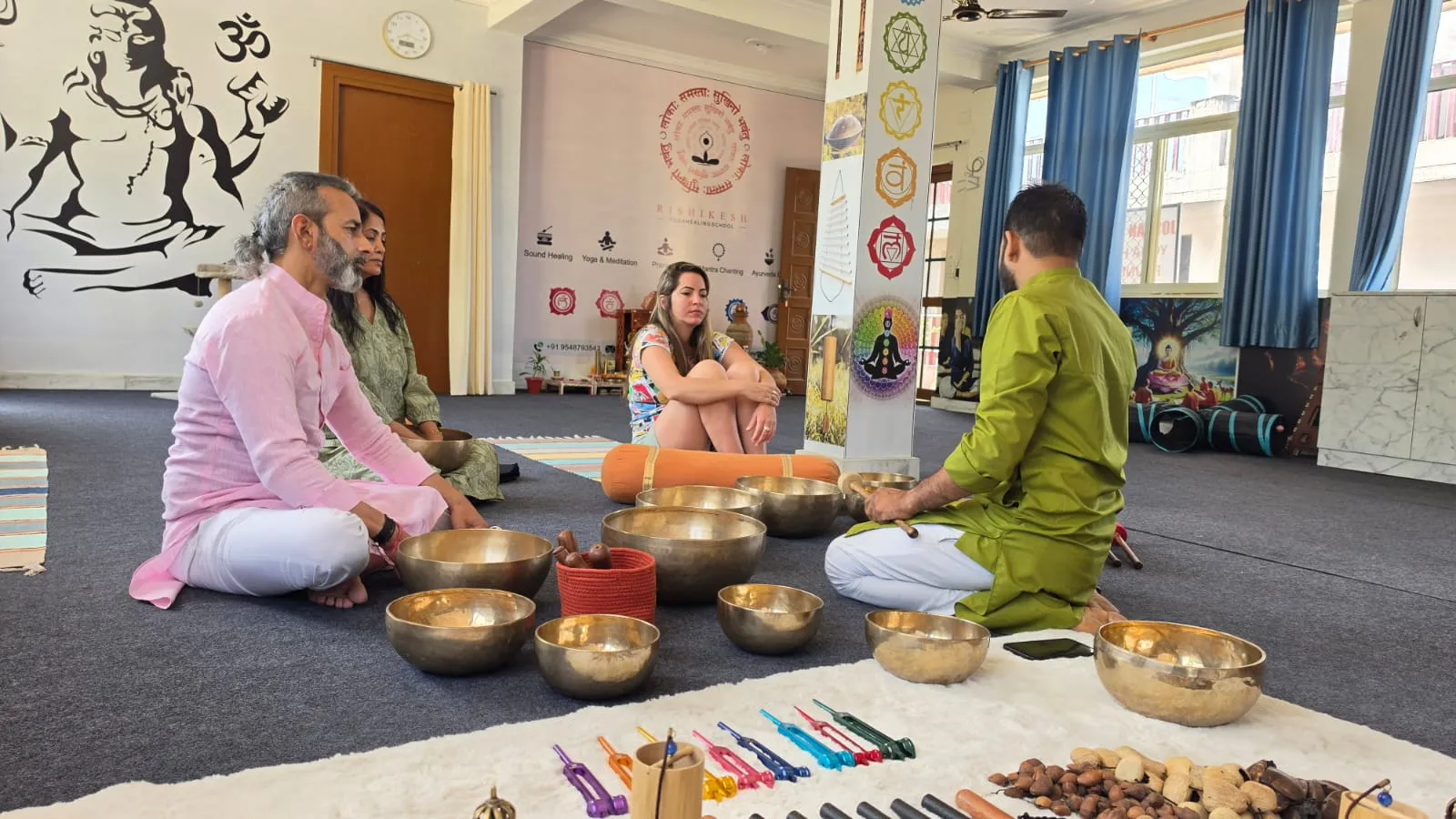
As interest in holistic wellness continues to grow, two practices are becoming increasingly popular worldwide—sound healing and meditation. Both are widely used to promote relaxation, reduce everyday stress, improve mindfulness, and support emotional well-being. Because these practices are often offered together at yoga studios, wellness retreats, and healing centers, many beginners wonder whether they are the same or if there are important differences between them.
Although sound healing and meditation share many similarities, they are not identical. Meditation focuses primarily on training the mind through awareness, breathing, and present-moment attention, while sound healing uses therapeutic sounds and vibrations from traditional instruments to create a deeply relaxing environment. When combined, they complement each other beautifully, but each practice also provides its own unique experience and benefits.
In this guide, you'll learn the key differences between sound healing and meditation, how each practice works, their individual benefits, and how to decide which one is best for your personal wellness journey.
What Is Meditation?
Meditation is a practice that encourages individuals to develop awareness, focus, and mental clarity. It has been practiced for thousands of years across many cultures and spiritual traditions. Today, meditation is commonly used to support mindfulness, emotional balance, stress management, and overall well-being.
During meditation, practitioners intentionally direct their attention toward their breathing, bodily sensations, thoughts, or a chosen point of focus. Rather than trying to stop thinking completely, meditation teaches people to observe thoughts without judgment and gently return their attention to the present moment whenever the mind wanders.
There are many styles of meditation, including mindfulness meditation, guided meditation, loving-kindness meditation, mantra meditation, and breath awareness meditation. Beginners often start with short guided sessions before developing a regular personal practice.
- Focuses on awareness and mindfulness.
- Can be practiced anywhere.
- Usually requires no equipment.
- Often emphasizes breathing techniques.
- Suitable for beginners and experienced practitioners.
What Is Sound Healing?
Sound healing is a complementary wellness practice that uses soothing sounds and gentle vibrations to encourage relaxation and mindfulness. Instead of concentrating only on breathing or silent awareness, participants immerse themselves in calming sounds created by instruments such as Tibetan singing bowls, crystal singing bowls, gongs, tuning forks, bells, and chimes.
A trained practitioner carefully plays these instruments to create a peaceful soundscape. Participants usually lie comfortably on a yoga mat or sit in a relaxed position while listening to the sounds. The experience requires very little effort, making sound healing especially appealing for people who find silent meditation difficult.
Many wellness centers combine sound healing with meditation because the soothing sounds naturally help participants remain present and relaxed throughout the session.
- Uses therapeutic sound instruments.
- Encourages deep relaxation.
- Often combined with meditation.
- Suitable for group or individual sessions.
- Accessible for beginners.
The Main Difference Between Sound Healing and Meditation
The biggest difference between sound healing and meditation is the primary focus of attention. During meditation, the practitioner consciously trains the mind by observing thoughts, breathing, or bodily sensations. In contrast, sound healing naturally guides attention toward soothing sounds and vibrations, making it easier for many beginners to remain present without feeling distracted.
Meditation is generally considered an active mental practice because participants continually bring their awareness back whenever the mind wanders. Sound healing, on the other hand, is often experienced as a more passive form of relaxation. Participants simply listen to the sounds while allowing the practitioner to guide the session.
Although these approaches are different, they share the same goal of promoting relaxation, mindfulness, and emotional well-being. This is why many practitioners combine both techniques within a single wellness session.
Benefits Shared by Both Practices
Whether you choose meditation, sound healing, or both, each practice offers valuable wellness benefits. Both encourage people to slow down, disconnect from daily stress, and become more aware of the present moment. They also support healthy relaxation habits that can improve overall quality of life.
When practiced consistently, both sound healing and meditation may help individuals develop greater emotional awareness, improve concentration, and create healthier responses to everyday challenges. Many participants report feeling calmer, mentally refreshed, and more balanced after regular practice.
- Encourages relaxation.
- Supports mindfulness.
- Helps manage everyday stress.
- Promotes emotional well-being.
- Complements yoga and breathwork.
- Supports healthy self-care habits.
Which Practice Is Better for Beginners?
Many beginners ask whether they should start with meditation or sound healing. The answer depends on personal preference. Some people enjoy the quiet focus of meditation, while others find it difficult to sit in silence because their minds remain active. For these individuals, sound healing often feels more approachable because the soothing sounds naturally become the center of attention.
Meditation develops gradually with regular practice, and beginners often find guided meditation helpful during the early stages. Likewise, attending a guided sound healing session provides an easy introduction to mindfulness without requiring previous experience.
Many wellness teachers recommend trying both practices to discover which one feels most comfortable. Since they complement each other so well, there is no need to choose only one.
Can You Practice Sound Healing and Meditation Together?
Absolutely. In fact, many yoga teachers, meditation instructors, and wellness practitioners combine these two practices because they naturally complement one another. Meditation trains the mind to become more aware of the present moment, while sound healing creates a peaceful atmosphere that helps participants relax more easily. Together, they offer a balanced approach to physical, mental, and emotional well-being.
A typical combined session may begin with a few minutes of mindful breathing, followed by gentle sounds from Tibetan singing bowls, crystal singing bowls, or gongs. Participants simply observe the sounds without judgment while maintaining awareness of their breath. This combination often makes meditation feel easier, especially for beginners who find silent meditation challenging.
Many retreat centers and yoga schools include sound healing meditation as part of their daily wellness programs because it provides a calming transition into deeper states of relaxation and mindfulness.
- Deep breathing exercises
- Guided meditation
- Live singing bowl meditation
- Mindful relaxation
- Silent reflection at the end of the session
Which Practice Should You Choose?
Choosing between meditation and sound healing depends entirely on your personal wellness goals. If you enjoy quiet reflection, mindful breathing, and developing greater mental awareness, meditation may be the ideal starting point. It requires very little equipment and can be practiced almost anywhere.
If you prefer a guided relaxation experience with soothing sounds that naturally help you stay present, sound healing may feel more comfortable. Many people who initially struggle with traditional meditation discover that sound healing makes it easier to relax because the sounds gently capture their attention.
Ultimately, there is no competition between the two practices. Instead of asking which one is better, it is often more helpful to explore how both can work together as part of a healthy lifestyle.
- Choose meditation for developing mindfulness and concentration.
- Choose sound healing for guided relaxation and immersive listening.
- Combine both practices for a balanced wellness routine.
- Practice consistently to experience long-term benefits.
Learning Sound Healing and Meditation Professionally
The growing popularity of holistic wellness has created opportunities for yoga teachers, meditation instructors, wellness coaches, and therapists to expand their professional skills. Learning sound healing alongside meditation allows practitioners to offer more complete wellness experiences to students and clients.
A professional Sound Healing Certification Course teaches students how to use Tibetan singing bowls, crystal singing bowls, gongs, tuning forks, and other traditional instruments while understanding the principles of meditation, mindful breathing, and relaxation. Practical training helps students develop confidence in guiding both individual and group sessions safely and effectively.
Whether your goal is personal growth or building a wellness career, learning both practices together provides a strong foundation for supporting others through holistic wellness programs.
Creating Your Daily Wellness Routine
You do not need to spend hours every day practicing meditation or sound healing to experience their benefits. A simple daily routine can be highly effective. Many people begin their morning with 10 to 15 minutes of meditation to improve focus, then end the day with a relaxing sound healing session to unwind before sleep.
Consistency is far more important than duration. Practicing for a short period every day helps establish healthy habits that support emotional balance and overall well-being. You can also combine yoga, pranayama, journaling, and mindful breathing with these practices to create a complete holistic wellness routine.
Remember that both meditation and sound healing are lifelong practices. As you continue exploring them, you may discover new techniques and experiences that deepen your understanding of yourself and enhance your quality of life.
Conclusion
Understanding the differences between sound healing vs meditation helps you choose the practice that best fits your personal wellness goals. Meditation focuses on developing awareness, mindfulness, and mental clarity through conscious attention, while sound healing uses soothing sounds and gentle vibrations to create an environment that naturally encourages relaxation and inner calm.
Rather than viewing them as separate or competing practices, many wellness professionals recommend combining both. Together, they support relaxation, stress management, emotional balance, mindfulness, and overall well-being. Whether you begin with meditation, sound healing, or both, regular practice can become a valuable part of a healthy and balanced lifestyle.
If you would like to deepen your understanding of these practices, consider joining the Sound Healing Certification Course at Rishikesh Yoga Healing School. Through expert instruction and hands-on training, you'll learn how to integrate meditation, singing bowls, and traditional sound healing techniques into both your personal practice and professional wellness journey.
Related Articles
- What Is Sound Healing? A Beginner's Complete Guide
- How Does Sound Healing Work? Science, Frequencies & Benefits
- 15 Benefits of Sound Healing for Mind and Body
- Sound Healing for Anxiety: Can Vibrations Calm the Mind?
- Sound Healing for Better Sleep: Does It Really Help?
- What Happens During a Sound Healing Session? Complete Beginner's Guide
- Sound Healing vs Meditation: What's the Difference?
- Singing Bowls Explained: How They Help in Healing
- Tibetan Singing Bowls vs Crystal Singing Bowls: Which Is Better?
- Best Healing Frequencies Explained (396Hz–963Hz): Complete Guide
- What Is Sound Bath Meditation? Benefits & Beginner Guide
- Can Sound Healing Reduce Stress Naturally
- Is Sound Healing Backed by Science? Research, Benefits & Facts
- Chakra Sound Healing: Understanding Each Energy Center
- 7 Signs Your Body Needs Sound Healing
Start Your Sound Healing Learning Journey
Join our sound healing programs and explore the power of sound, vibration, and holistic wellness.
Contact Us