If you're curious about attending your first sound healing session, you're not alone. As sound healing continues to gain popularity around the world, more people are exploring this relaxing wellness practice to reduce stress, support meditation, and improve their overall well-being. Whether you've heard about Tibetan singing bowls, crystal singing bowls, or sound baths, you may be wondering exactly what happens during a session and whether it's right for you.
A sound healing session is a guided experience where soothing sounds and vibrations are used to create an atmosphere of deep relaxation and mindfulness. Unlike a music concert or meditation class, participants are not expected to perform any special techniques. Instead, they simply relax, listen to the sounds, and allow themselves to become fully present in the moment.
Every practitioner has a unique teaching style, but most sessions follow a similar structure. This guide explains what you can expect before, during, and after a sound healing session, how to prepare for your first experience, and why so many people include sound healing in their wellness routine.
What Is a Sound Healing Session?
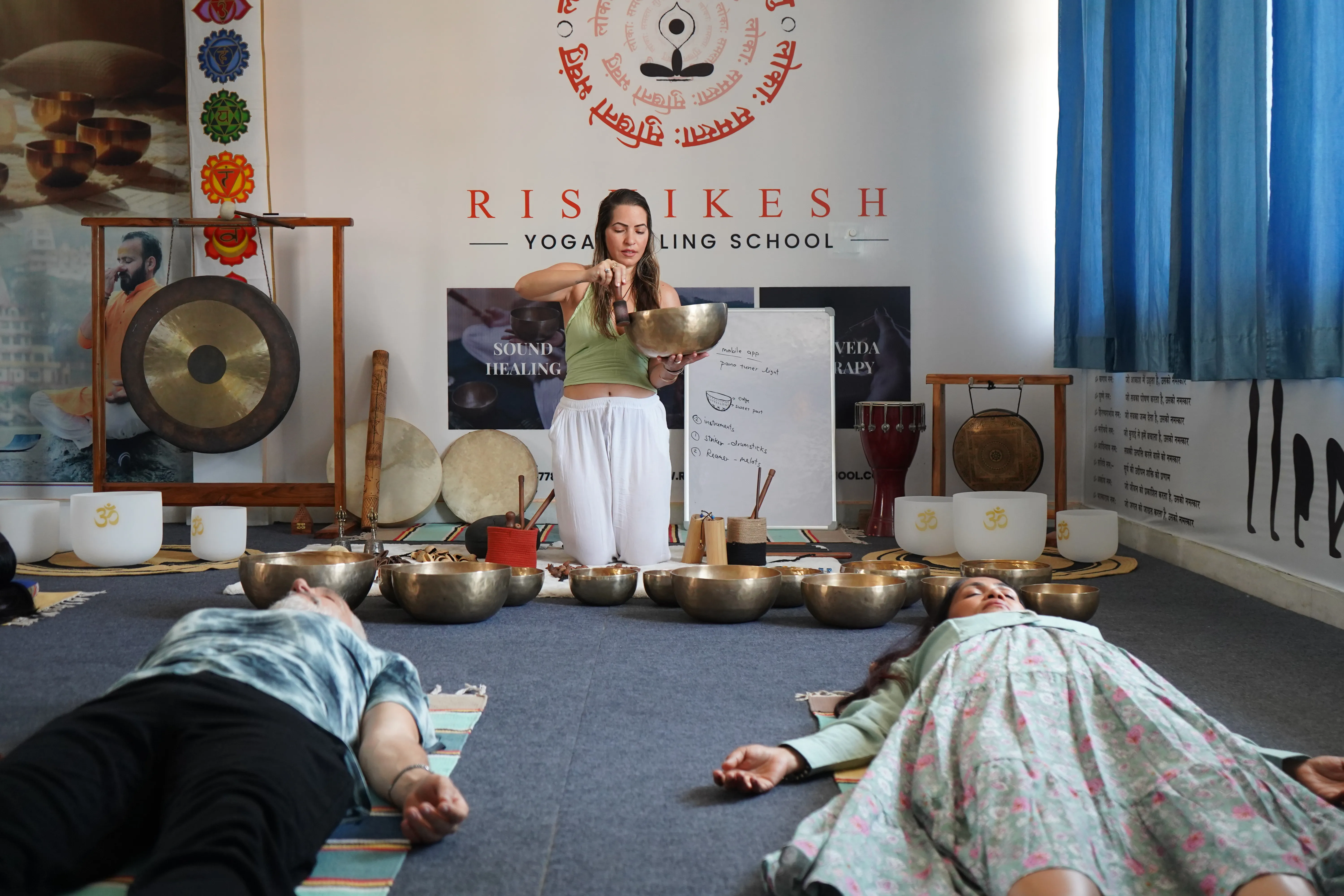
A sound healing session is a guided wellness experience that uses therapeutic sounds and gentle vibrations to encourage relaxation and mindfulness. During the session, a trained practitioner plays instruments such as Tibetan singing bowls, crystal singing bowls, gongs, tuning forks, bells, chimes, and other traditional sound healing tools.
The purpose is not to diagnose or treat medical conditions but to create a peaceful environment where participants can disconnect from everyday stress and reconnect with themselves. Many people describe the experience as calming, meditative, and deeply restorative. Because there is no physical effort involved, sound healing is suitable for beginners and experienced meditation practitioners alike.
Sessions may be offered individually or in groups and are commonly available at yoga studios, meditation centers, wellness retreats, and holistic healing schools.
- Guided relaxation experience
- Uses therapeutic sound instruments
- Suitable for beginners
- Often combined with meditation and breathwork
- Available in private or group settings
Preparing for Your First Sound Healing Session
Preparing for a sound healing session is simple, but a few small steps can make the experience more comfortable. Wear loose-fitting clothing that allows you to relax without restriction. Since most sessions involve lying down for an extended period, comfortable clothing helps you remain at ease throughout the experience.
It is also recommended to arrive 10–15 minutes early. This gives you time to settle in, switch off your phone, and become familiar with the environment before the session begins. Many practitioners encourage participants to drink water beforehand and avoid heavy meals immediately before attending.
Entering the session with an open mind is one of the most important preparations. Every individual experiences sound healing differently, so it's best to simply observe the experience without expecting a particular outcome.
- Wear comfortable clothing.
- Arrive early and relax.
- Stay hydrated.
- Avoid heavy meals before the session.
- Keep an open and relaxed mindset.
What Happens at the Beginning of the Session?
Most sound healing sessions begin with a warm welcome from the practitioner. Participants are invited to lie comfortably on yoga mats or sit in a relaxed position. Blankets, cushions, and eye pillows are often available to make the experience more comfortable.
The practitioner usually explains what will happen during the session and may guide participants through a few minutes of mindful breathing. This helps everyone settle into the present moment and prepares both the body and mind for relaxation.
Rather than asking participants to control their thoughts, the practitioner simply encourages them to notice their breathing and remain open to the sounds that will follow. This gentle introduction helps create a calm atmosphere before the instruments are played.
Instruments Used During a Sound Healing Session
One of the most unique aspects of a sound healing session is the variety of traditional instruments used to create soothing soundscapes. Each instrument produces its own tone, resonance, and vibration, contributing to a peaceful and immersive experience.
Tibetan singing bowls are among the most widely recognized sound healing instruments because of their rich, sustained tones. Crystal singing bowls produce clear, resonant sounds, while gongs create deep vibrations that fill the room. Depending on the practitioner, additional instruments such as tuning forks, bells, rain sticks, ocean drums, and chimes may also be included.
Instead of focusing on one instrument, practitioners carefully combine different sounds to create a balanced and relaxing experience that encourages mindfulness and deep rest.
- Tibetan Singing Bowls
- Crystal Singing Bowls
- Gongs
- Tuning Forks
- Chimes and Bells
- Ocean Drums
- Rain Sticks
Experiencing the Sounds and Vibrations
Once the practitioner begins playing the instruments, participants are encouraged to simply listen. There is nothing to achieve, no special breathing pattern to follow, and no need to force relaxation. The sounds naturally become the focus of attention, helping many people shift away from everyday thoughts and distractions.
Some participants notice gentle vibrations throughout the room, while others simply enjoy the peaceful atmosphere. Individual experiences vary, and there is no right or wrong way to experience a sound healing session. Some people remain fully awake throughout the session, while others enter a deeply relaxed meditative state.
The sounds gradually change in intensity and rhythm as different instruments are introduced. This creates an immersive listening experience that encourages stillness, mindfulness, and emotional calm.
Common Experiences During a Sound Healing Session
Every person experiences a sound healing session differently. Some participants feel deeply relaxed within a few minutes, while others simply enjoy lying quietly and listening to the soothing sounds. There is no correct or incorrect experience, and practitioners encourage participants to avoid comparing their experiences with others.
Many people describe feeling physically relaxed, mentally calm, and emotionally refreshed after a session. Some notice that their breathing becomes slower and more natural, while others experience a heightened sense of mindfulness. A few participants may even drift into a light sleep during the session, which is completely normal and often viewed as a sign that the body is relaxing deeply.
The purpose of sound healing is not to create dramatic sensations but to provide a peaceful space where the mind and body can rest. Even if you simply feel relaxed, you have received the intended benefit of the session.
- Deep physical relaxation
- A calm and peaceful mind
- Improved mindfulness
- Reduced mental distractions
- A feeling of emotional balance
- Light sleep or deep rest during the session
Benefits of Attending Regular Sound Healing Sessions
Many people choose to attend sound healing sessions regularly because they enjoy the opportunity to disconnect from busy schedules and focus on their personal well-being. While individual experiences vary, consistent participation may help establish healthy relaxation habits and support a balanced lifestyle.
Sound healing is commonly combined with yoga, meditation, breathwork, and mindfulness practices. Together, these wellness activities encourage stress management, emotional awareness, and greater self-care. Rather than being viewed as a quick solution, sound healing works best as part of an ongoing wellness routine.
Practicing regularly also helps many people become more familiar with mindful relaxation, making it easier to slow down and remain present in everyday life.
- Supports meditation practice
- Encourages regular relaxation
- Promotes mindfulness
- May reduce everyday stress
- Complements yoga and breathwork
- Supports emotional well-being
Who Should Attend a Sound Healing Session?
Sound healing is suitable for people of all experience levels. Whether you are completely new to holistic wellness or already practice yoga and meditation, attending a sound healing session can be an enjoyable and accessible experience. Because no physical movement is required, it is appropriate for most individuals seeking a gentle relaxation practice.
Yoga teachers, meditation instructors, wellness coaches, therapists, students, busy professionals, and retirees all participate in sound healing sessions. Many retreat centers also include sound healing as part of their wellness programs because it complements mindfulness and meditation so effectively.
If you have hearing sensitivities, use implanted medical devices, or have specific health concerns, it is advisable to consult your healthcare provider before attending a session. Sound healing should always be considered a complementary wellness practice rather than a replacement for professional medical care.
- Beginners exploring holistic wellness
- Yoga practitioners
- Meditation enthusiasts
- Wellness professionals
- Busy professionals managing stress
- Anyone seeking deep relaxation
Learning to Facilitate Sound Healing Sessions
If attending a sound healing session inspires you to learn more, you may consider enrolling in a professional Sound Healing Certification Course. These programs teach students how to play Tibetan singing bowls, crystal singing bowls, gongs, tuning forks, and other traditional instruments while learning meditation techniques and responsible session planning.
Professional training includes practical experience, sound healing theory, the history of traditional instruments, and guidance on creating safe and meaningful sessions. Many graduates integrate these skills into yoga classes, meditation programs, wellness retreats, or holistic therapy practices.
Learning from experienced instructors ensures that students understand both the traditional foundations and modern applications of sound healing while developing the confidence to guide others responsibly.
Conclusion
Attending your first sound healing session can be a relaxing and rewarding experience. From the moment you enter the peaceful environment until the final moments of quiet reflection, every part of the session is designed to encourage mindfulness, relaxation, and emotional well-being. Whether you are looking to reduce everyday stress, deepen your meditation practice, or simply enjoy a period of calm, sound healing offers an accessible way to reconnect with yourself.
While research into sound healing continues to grow, many people already include it as part of a balanced wellness routine alongside yoga, breathwork, meditation, healthy nutrition, and regular physical activity. Rather than replacing medical care, sound healing serves as a complementary practice that supports overall wellness and self-care.
If you would like to experience authentic sound healing or become a certified practitioner, consider joining the Sound Healing Certification Course at Rishikesh Yoga Healing School. Our experienced teachers provide hands-on training in traditional instruments, meditation techniques, and holistic wellness practices, helping students build both personal confidence and professional skills.
Related Articles
- What Is Sound Healing? A Beginner's Complete Guide
- How Does Sound Healing Work? Science, Frequencies & Benefits
- 15 Benefits of Sound Healing for Mind and Body
- Sound Healing for Anxiety: Can Vibrations Calm the Mind?
- Sound Healing for Better Sleep: Does It Really Help?
- What Happens During a Sound Healing Session? Complete Beginner's Guide
- Sound Healing vs Meditation: What's the Difference?
- Singing Bowls Explained: How They Help in Healing
- Tibetan Singing Bowls vs Crystal Singing Bowls: Which Is Better?
- Best Healing Frequencies Explained (396Hz–963Hz): Complete Guide
- What Is Sound Bath Meditation? Benefits & Beginner Guide
- Can Sound Healing Reduce Stress Naturally
- Is Sound Healing Backed by Science? Research, Benefits & Facts
- Chakra Sound Healing: Understanding Each Energy Center
- 7 Signs Your Body Needs Sound Healing
Start Your Sound Healing Learning Journey
Join our sound healing programs and explore the power of sound, vibration, and holistic wellness.
Contact Us