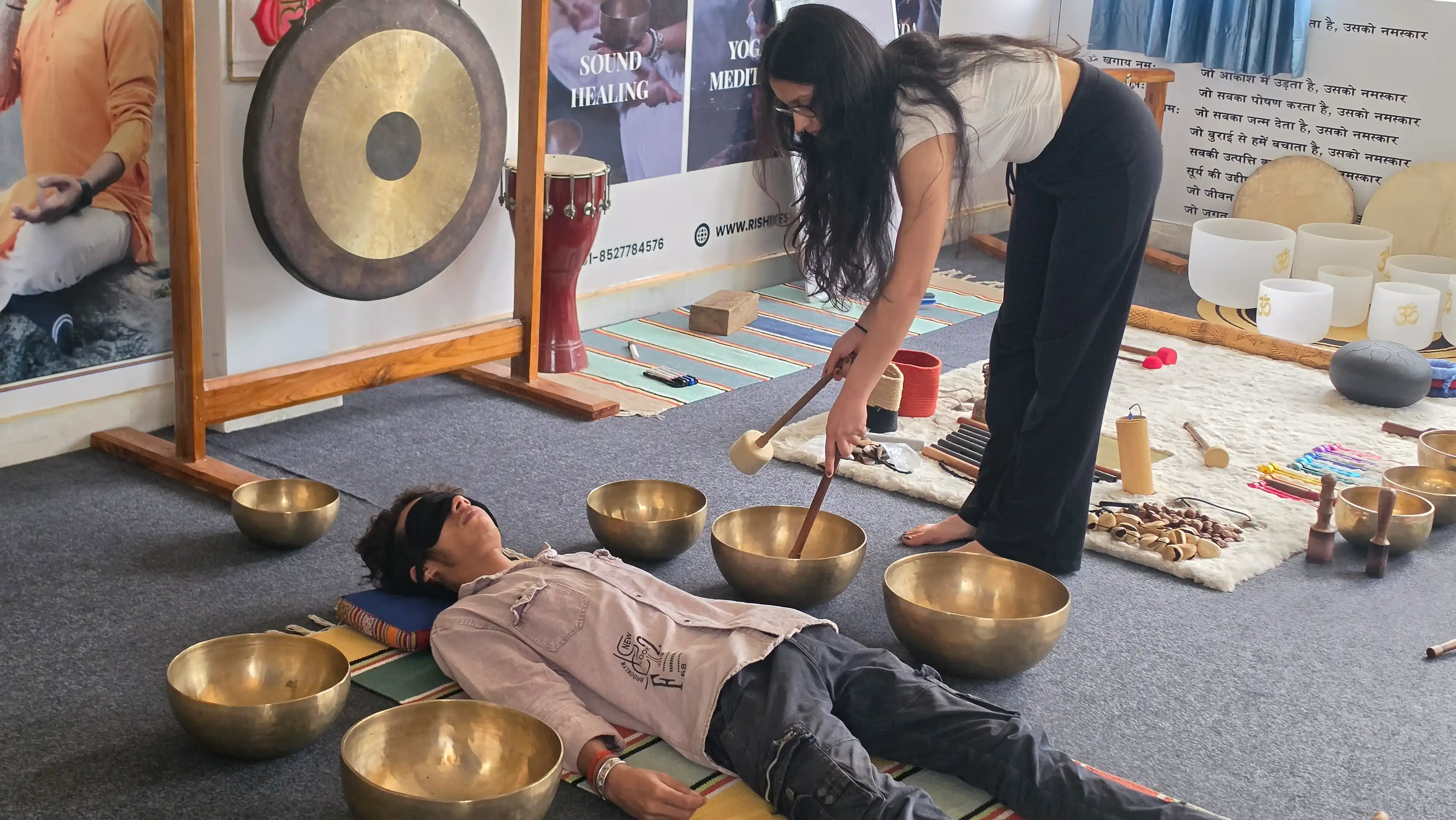
Introduction to Sound Healing in Wellness
The wellness industry continues to evolve as practitioners explore different ways to support relaxation, mindfulness, self-awareness, and healthy lifestyle practices. Alongside yoga, meditation, breathwork, massage, and other wellness approaches, sound healing has become an area of interest for many practitioners.
Sound healing involves the intentional use of sound and vibration through instruments such as singing bowls, gongs, tuning forks, and bells. Wellness practitioners may incorporate these techniques into relaxation sessions, meditation programs, group experiences, or dedicated sound sessions.
What Attracts Practitioners to Sound Healing?
Sound is accessible and can be introduced in many different environments. A practitioner does not necessarily need a large studio or complicated setup to begin learning the fundamentals. With suitable training and appropriate instruments, sound practices can be adapted to individual and group settings.
For wellness professionals, this flexibility can make sound healing an interesting additional skill. It can also create opportunities to design sessions that combine sound with practices the practitioner already understands.
Sound Healing and Relaxation
Relaxation is one of the most common contexts in which sound healing is presented. Gentle, sustained tones can become part of a quiet environment where participants are encouraged to slow down and focus their attention.
Practitioners may use sound during the beginning, middle, or closing stage of a session. The timing depends on the session objective, the instruments being used, the size of the group, and the comfort of participants.
Complementing Existing Wellness Services
Many wellness practitioners already provide services such as yoga, meditation, breathwork, coaching, massage, or mindfulness practices. Sound healing can sometimes be incorporated as a complementary element rather than being presented as a replacement for existing services.
Examples of Possible Combinations
- Yoga followed by a sound relaxation session.
- Meditation supported by gentle singing bowl sounds.
- Breath awareness followed by a period of attentive listening.
- Wellness retreats incorporating dedicated sound sessions.
- Group relaxation sessions using bowls, gongs, and bells.
Creating an Immersive Wellness Experience
Sound can influence the atmosphere of a room. When a practitioner carefully combines lighting, seating, silence, spoken guidance, and instruments, the result can feel different from a conventional wellness class.
This is one reason sound healing is increasingly included in retreats and wellness programs. Participants can experience a dedicated period of stillness while listening to changing tones and resonances.
The Importance of Learning Instrument Techniques
A professional sound session requires more than owning attractive instruments. Practitioners need to understand how to produce sound intentionally. The same instrument can create different results depending on the mallet, striking position, pressure, timing, and technique.
Learning these fundamentals can help practitioners avoid creating unnecessarily harsh or distracting sounds. It also gives them greater control when designing a complete session.
Exploring Singing Bowls
Singing bowls are frequently used in sound healing because they can produce sustained tones. Practitioners may learn different ways to activate the bowl and control the duration and character of its sound.
Learning several bowls can also help practitioners understand how different tones interact. However, beginners do not necessarily need a large collection of instruments immediately. Building technique with a small number of suitable instruments can provide a stronger foundation.
Working With Gongs
Gongs can produce a much broader and more complex sound than many smaller instruments. They can create layers of resonance that change as the instrument continues to vibrate.
Because of their intensity and volume, practitioners should learn appropriate striking techniques and understand how to use a gong within the physical environment. A professional session should always consider participant comfort and individual sensitivity to sound.
Learning Tuning Forks and Other Instruments
Tuning forks offer another approach to sound work. Their focused tones can be incorporated into specific sound practices. Tingsha bells and other small instruments may also be used for transitions, meditation, or opening and closing a session.
Understanding multiple instruments allows practitioners to make intentional choices rather than using every instrument in every session.
Sound Healing Requires Professional Responsibility
Wellness practitioners should understand the boundaries of sound healing. It is important not to present sound healing as a substitute for medical diagnosis or treatment. Responsible practitioners describe their sessions accurately and encourage participants with health concerns to consult qualified healthcare professionals when appropriate.
Professional sound healing should be based on informed practice, clear communication, consent, and respect for individual differences.
Learning How to Structure a Session
One of the most valuable skills in sound healing training is session structure. A practitioner needs to understand how to begin, develop, and conclude an experience.
A Basic Session Structure
- Prepare the room and instruments.
- Welcome participants and explain the session.
- Allow participants to become comfortable.
- Begin with gentle sounds or silence.
- Gradually introduce additional instruments.
- Create periods of spaciousness between sounds.
- Reduce the intensity toward the end.
- Allow participants time to return to normal awareness.
- Invite feedback without making medical interpretations.
Why Hands-On Practice Matters
Reading about sound healing can provide useful information, but practical training allows students to experience instruments directly. Practitioners need to hear the difference between various techniques and understand how sound behaves in a real room.
Hands-on practice can also build confidence. Students can experiment with timing, transitions, instrument combinations, and session pacing under appropriate guidance.
Sound Healing in Retreat Programs
Wellness retreats often include multiple activities throughout the day. Sound healing can be used as an evening relaxation practice, a meditation activity, or a dedicated group experience.
Practitioners who work with retreats may therefore find sound healing useful as an additional session format. The peaceful atmosphere of a retreat can also provide an appropriate setting for participants to explore mindful listening.
Developing Your Own Professional Style
After learning the fundamentals, practitioners can gradually develop a personal approach. Some may prefer minimalist sessions using a few bowls, while others may enjoy combining bowls, gongs, tuning forks, and bells.
Developing a style should come after learning the fundamentals. A practitioner should first understand sound control, participant comfort, session planning, and professional ethics before experimenting extensively.
Beginning Your Sound Healing Training
Wellness practitioners who want to add sound healing to their skill set can begin by selecting a structured course that provides both theory and practical training. A useful course should explain instruments, techniques, session design, meditation applications, professional conduct, and practical facilitation.
Rishikesh Yoga Healing School provides sound healing training in Rishikesh for learners who want to explore sound-based wellness practices in a structured environment.
Conclusion
Sound healing can provide wellness practitioners with another way to create relaxation-focused and mindful experiences. Its flexibility makes it suitable for different settings, including yoga studios, meditation spaces, retreats, and wellness programs.
However, becoming effective with sound requires more than purchasing instruments. Practitioners need to learn technique, timing, session structure, communication, and responsible professional practice. With proper training, sound healing can become a meaningful addition to a broader wellness skill set.
Related Articles
- What Is Sound Healing? A Beginner's Complete Guide
- How Does Sound Healing Work? Science, Frequencies & Benefits
- 15 Benefits of Sound Healing for Mind and Body
- Sound Healing for Anxiety: Can Vibrations Calm the Mind?
- Sound Healing for Better Sleep: Does It Really Help?
- What Happens During a Sound Healing Session? Complete Beginner's Guide
- Sound Healing vs Meditation: What's the Difference?
- Singing Bowls Explained: How They Help in Healing
- Tibetan Singing Bowls vs Crystal Singing Bowls: Which Is Better?
- Best Healing Frequencies Explained (396Hz–963Hz): Complete Guide
- What Is Sound Bath Meditation? Benefits & Beginner Guide
- Can Sound Healing Reduce Stress Naturally
- Is Sound Healing Backed by Science? Research, Benefits & Facts
- Chakra Sound Healing: Understanding Each Energy Center
- 7 Signs Your Body Needs Sound Healing
- How Different Sound Healing Instruments Create Different Experiences
- Crystal Singing Bowl Sizes Explained: How Bowl Size Influences Sound
- Chakras and Sound Healing: Exploring the Traditional Connection
- How to Choose Your First Crystal Singing Bowl
- Mallet vs Rubber O-Ring: Understanding Crystal Bowl Playing Techniques
- Group Sound Healing vs Individual Sessions: Understanding the Differences
- Sound Healing vs Music Therapy: What Is the Difference
- 7 Sound Healing Instruments Every Beginner Should Know
- The History of Singing Bowls: From Traditional Use to Modern Wellness
- Can You Feel Sound Vibrations? Understanding Vibration and Body Awareness
- Tuning Forks in Sound Healing: What Are They and How Are They Used
- What Are Solfeggio Frequencies and Why Are They Popular in Sound Healing
- What Should You Learn Before Offering Sound Healing Sessions Professionally
- Different Types of Gongs and Their Uses in Sound Sessions
- How to Develop Listening Skills as a Sound Healing Practitioner
Start Your Sound Healing Learning Journey
Join our sound healing programs and explore the power of sound, vibration, and holistic wellness.
Contact Us