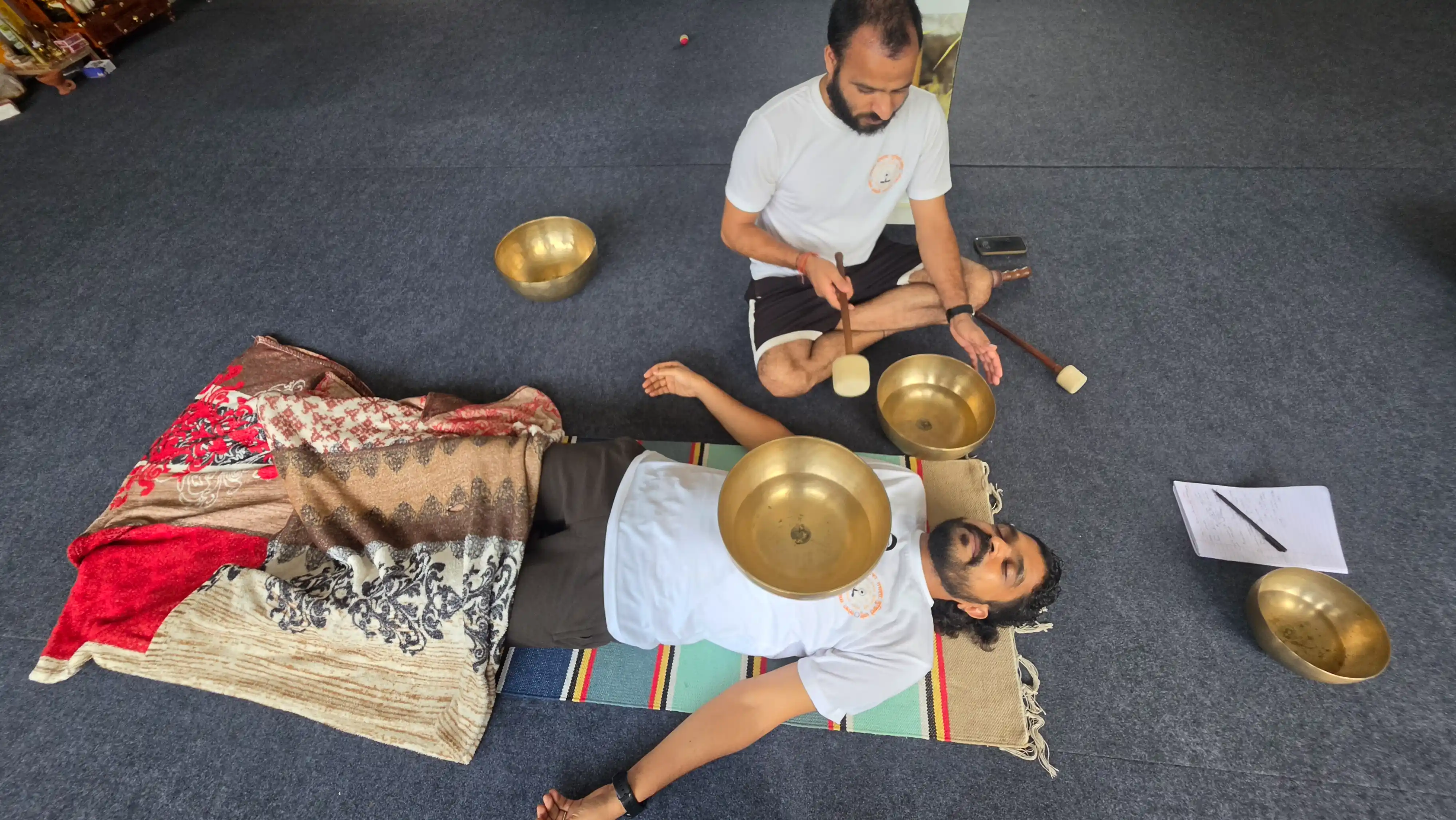
Introduction to Sound Healing Instruments
For someone beginning a sound healing journey, choosing the first instrument can feel confusing. There are singing bowls, crystal bowls, gongs, tuning forks, tingsha bells, chimes, drums, and many other sound-producing tools. Beginners may wonder whether they need to learn everything or whether they should focus on a few instruments first.
The most practical approach is to begin with instruments that are manageable, versatile, and suitable for learning fundamental sound techniques. Developing skill with a small number of instruments can provide a stronger foundation than purchasing a large collection without learning how to use it properly.
Why Beginners Should Start With Fewer Instruments
Every instrument requires practice. Beginners need time to understand how sound is produced, how the instrument responds to different techniques, and how to control volume and timing.
Starting with fewer instruments allows students to concentrate on listening and technique. Once they become comfortable, they can gradually add other instruments according to their interests and professional goals.
Start With Singing Bowls
Singing bowls are commonly recommended as a starting point because they can be used in many different sound practices. They can support meditation, relaxation, yoga sessions, sound baths, and dedicated sound healing sessions.
Beginners can learn basic striking techniques and later explore circular rubbing techniques for creating sustained resonance. Understanding the differences between these techniques can help students develop greater control.
Learn Tibetan Singing Bowls
Tibetan singing bowls are widely used in sound meditation and contemporary sound healing practices. Their resonant tones make them useful for creating sustained listening experiences.
Beginner Skills to Practice
- How to position the bowl securely.
- How to hold the mallet correctly.
- How to strike the bowl gently.
- How to create a sustained tone.
- How to control volume.
- How to allow the sound to fade naturally.
Explore Crystal Singing Bowls
Crystal singing bowls are another popular instrument. They can produce clear, sustained tones and are often used during meditation and relaxation sessions.
Because crystal bowls require careful handling, beginners should learn how to transport, store, and position them safely. They should also become familiar with their volume and resonance before using them in group sessions.
Learn Tingsha Bells
Tingsha bells produce bright, clear sounds and can be useful for opening and closing meditation or sound sessions. Their simplicity makes them accessible to beginners.
Although they are easy to play, beginners should still learn appropriate timing. A tingsha bell can be effective when used at a meaningful transition rather than being repeatedly played throughout an entire session.
Explore Tuning Forks
Tuning forks create focused tones and can be included in certain sound practices. They are small and portable, which makes them convenient for practitioners who travel.
Beginners should learn the correct activation and handling techniques and understand how to incorporate tuning forks appropriately within the type of sound practice they are trained to facilitate.
Learn the Basics of Gong Playing
Gongs can produce powerful and complex sounds. They can become valuable instruments for practitioners who want to facilitate larger sound sessions, but they require careful technique.
Beginners should first understand how different mallet movements and striking points affect the sound. Learning to control intensity is especially important because a gong can quickly become overwhelming if played too forcefully.
Consider Chimes and Small Percussion Instruments
Chimes can create delicate, high-frequency sounds and may be used for transitions or atmospheric effects. Other small percussion instruments can also add variety to a sound session.
These instruments are generally best introduced after beginners understand the fundamentals of session structure and sound control.
How to Choose Your First Instrument
The best first instrument depends on the learner's goals. Someone interested in meditation may prefer a singing bowl, while someone interested in group sound sessions may eventually want to explore gongs and other larger instruments.
- Consider the type of sessions you want to facilitate.
- Choose an instrument you can comfortably handle.
- Listen to the instrument before purchasing when possible.
- Learn technique before buying multiple instruments.
- Consider storage and transportation requirements.
Learn Technique Before Building a Collection
Beginners often become excited about collecting instruments. However, technical knowledge should come first. A single well-understood bowl can be more useful than several instruments that the practitioner does not know how to use.
Skill, listening, timing, and intention are more important than the size of an instrument collection.
Practice Listening and Silence
Instrument training should include listening. After producing a sound, the practitioner should pay attention to its resonance, duration, changes in volume, and eventual silence.
This listening practice helps develop sensitivity to the instrument and can improve session design.
Learn How Instruments Work Together
After learning individual instruments, beginners can explore combinations. A singing bowl may be followed by a tingsha bell, while a gong may be introduced later in a session. Different combinations can produce very different experiences.
Practitioners should avoid adding sounds simply to make a session more complicated. Each instrument should have a reason for being included.
Practice Sound Healing Session Structure
Instrument knowledge becomes more useful when combined with session planning. Beginners should learn how to create an opening, develop the sound experience, include pauses, and gradually bring the session to an end.
Practicing complete sessions can help students understand how individual instruments function as part of a larger experience.
Learn Instruments Through Professional Training
Hands-on training can accelerate the learning process because instructors can demonstrate techniques and provide corrections. Students can also hear instruments directly and practice alongside other learners.
Rishikesh Yoga Healing School offers sound healing training in Rishikesh where students can explore singing bowls and other sound healing instruments through structured learning and practical sessions.
Conclusion
Beginners do not need to learn every sound healing instrument immediately. Singing bowls can provide a useful starting point, followed by tingsha bells, tuning forks, crystal bowls, gongs, chimes, and other instruments as the practitioner's knowledge develops.
The most important goal is not collecting instruments but learning how to use them effectively. With proper technique, listening skills, session planning, and consistent practice, beginners can gradually build a practical and versatile sound healing skill set.
Related Articles
- What Is Sound Healing? A Beginner's Complete Guide
- How Does Sound Healing Work? Science, Frequencies & Benefits
- 15 Benefits of Sound Healing for Mind and Body
- Sound Healing for Anxiety: Can Vibrations Calm the Mind?
- Sound Healing for Better Sleep: Does It Really Help?
- What Happens During a Sound Healing Session? Complete Beginner's Guide
- Sound Healing vs Meditation: What's the Difference?
- Singing Bowls Explained: How They Help in Healing
- Tibetan Singing Bowls vs Crystal Singing Bowls: Which Is Better?
- Best Healing Frequencies Explained (396Hz–963Hz): Complete Guide
- What Is Sound Bath Meditation? Benefits & Beginner Guide
- Can Sound Healing Reduce Stress Naturally
- Is Sound Healing Backed by Science? Research, Benefits & Facts
- Chakra Sound Healing: Understanding Each Energy Center
- 7 Signs Your Body Needs Sound Healing
- How Different Sound Healing Instruments Create Different Experiences
- Crystal Singing Bowl Sizes Explained: How Bowl Size Influences Sound
- Chakras and Sound Healing: Exploring the Traditional Connection
- How to Choose Your First Crystal Singing Bowl
- Mallet vs Rubber O-Ring: Understanding Crystal Bowl Playing Techniques
- Group Sound Healing vs Individual Sessions: Understanding the Differences
- Sound Healing vs Music Therapy: What Is the Difference
- 7 Sound Healing Instruments Every Beginner Should Know
- The History of Singing Bowls: From Traditional Use to Modern Wellness
- Can You Feel Sound Vibrations? Understanding Vibration and Body Awareness
- Tuning Forks in Sound Healing: What Are They and How Are They Used
- What Are Solfeggio Frequencies and Why Are They Popular in Sound Healing
- What Should You Learn Before Offering Sound Healing Sessions Professionally
- Different Types of Gongs and Their Uses in Sound Sessions
- How to Develop Listening Skills as a Sound Healing Practitioner
Start Your Sound Healing Learning Journey
Join our sound healing programs and explore the power of sound, vibration, and holistic wellness.
Contact Us