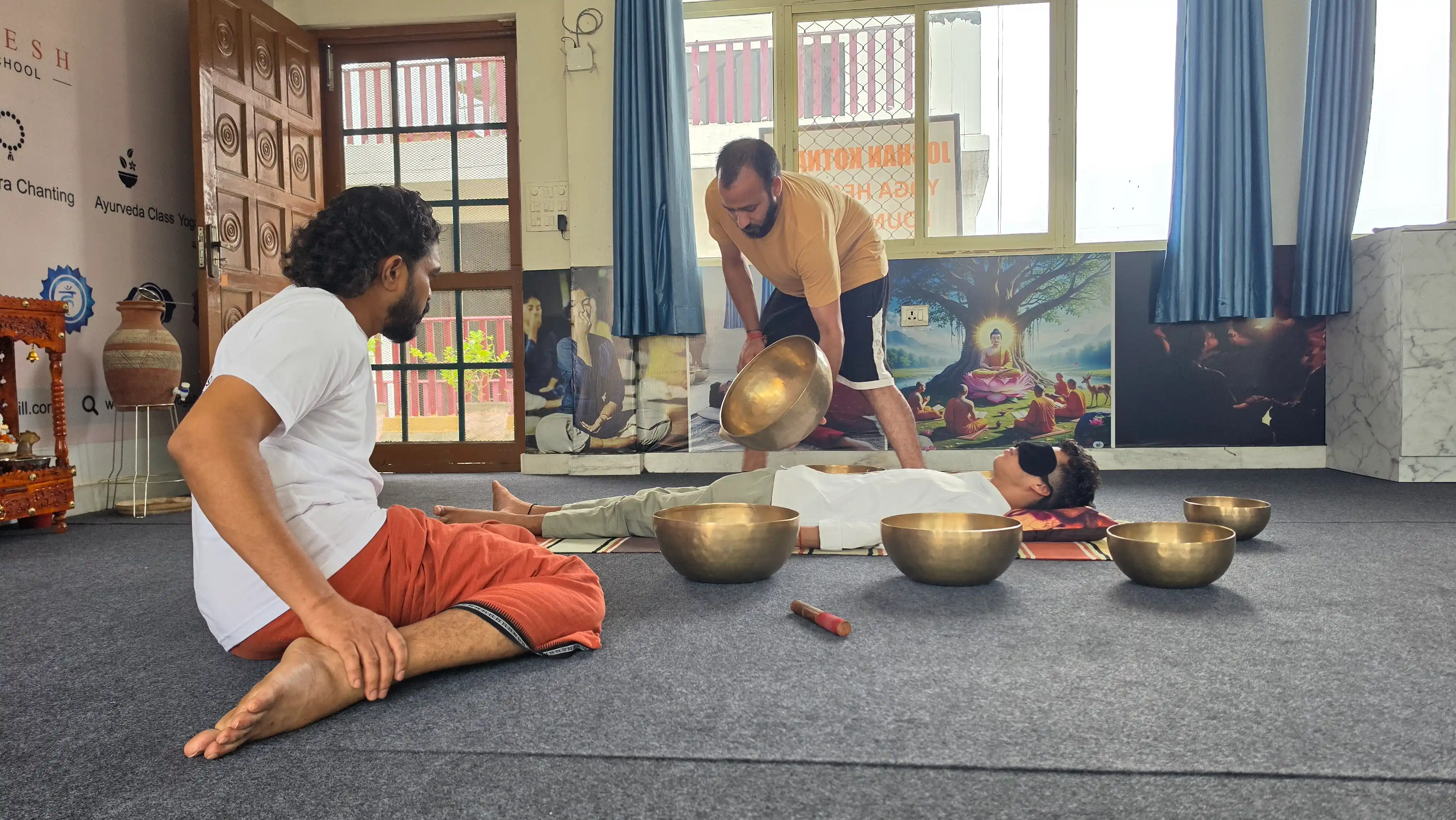
Introduction to a Career in Sound Healing
Interest in sound healing has created new opportunities for people who want to explore wellness-based work. Yoga teachers, meditation instructors, retreat facilitators, wellness practitioners, and beginners may wonder whether sound healing can become a full-time career, part-time profession, or additional service.
The answer depends on individual skills, training, business planning, local requirements, professional experience, and the type of services offered. Sound healing can be developed in several ways, but it should be approached as both a practical discipline and a professional service.
Understanding Sound Healing as a Profession
A sound healing practitioner may facilitate individual sessions, group sound relaxation, meditation sessions, workshops, retreats, or educational programs. The exact services depend on the practitioner's training and professional scope.
Some people build sound healing around an existing wellness profession, while others develop a dedicated practice over time.
Starting as a Side Profession
Starting part time can allow practitioners to develop experience gradually. Someone who already teaches yoga, meditation, or another wellness discipline may introduce sound sessions alongside existing services.
This approach can provide opportunities to practice facilitation, understand participant needs, and learn how to manage scheduling and client communication before expanding further.
Combining Sound Healing With Yoga
Yoga teachers may incorporate sound into selected classes or offer separate sound relaxation sessions. For example, a teacher might conduct a restorative yoga class followed by a period of singing bowl relaxation.
The combination should remain within the teacher's training and should be presented clearly to participants.
Combining Sound With Meditation
Meditation teachers can also explore sound as an additional method for guiding attention. Singing bowls, bells, and other instruments can be used to mark the beginning or ending of meditation or to provide an auditory object of attention.
This can create additional session formats without requiring the practitioner to abandon their existing meditation approach.
Offering Group Sound Sessions
Group sound sessions are another possible professional format. A practitioner may organize sessions for small groups in yoga studios, wellness centers, retreat spaces, or other suitable locations.
Group facilitation requires additional planning because the practitioner needs to consider room size, participant numbers, acoustics, instrument placement, volume, and timing.
Individual Sound Sessions
Some practitioners may offer individual sessions. These sessions can provide a more focused environment where the practitioner can communicate directly with one participant and adapt the session within their professional scope.
Practitioners should establish clear expectations about what the session includes and avoid making medical claims.
Sound Healing at Wellness Retreats
Retreats often combine yoga, meditation, nature experiences, wellness activities, and relaxation practices. Sound healing can be offered as a dedicated activity within such programs.
Practitioners interested in retreat work should develop strong group facilitation skills and learn how to adapt their sessions to different environments and schedules.
Workshops and Educational Programs
Experienced practitioners may eventually offer introductory workshops. These could focus on basic singing bowl techniques, sound meditation, mindful listening, or introductory sound practices.
Educational workshops should have clear learning objectives and should accurately communicate the level of training participants will receive.
Building a Professional Skill Set
Turning sound healing into a profession requires more than instrument skills. Practitioners may also need to develop communication, scheduling, marketing, customer service, financial planning, and basic business management skills.
Useful Professional Skills
- Sound healing instrument techniques.
- Session planning and facilitation.
- Clear client communication.
- Professional presentation.
- Scheduling and organization.
- Basic digital marketing knowledge.
- Social media communication.
- Record keeping and business planning.
Building Trust With Participants
Trust develops through professionalism and consistent experiences. Practitioners should provide clear information about their training, services, session duration, pricing, and what participants can expect.
Honest communication is especially important in wellness fields because participants may arrive with different expectations about what sound healing can provide.
Creating a Sound Healing Brand
Practitioners who want to build a professional practice may eventually develop a brand around their services. This can include a professional name, website, social media presence, educational content, photographs, course information, and clear service descriptions.
Marketing should focus on accurate descriptions rather than exaggerated health promises.
Continuing Education and Specialization
Practitioners can continue developing their skills through advanced training and specialization. Some may focus on sound meditation, singing bowls, retreats, yoga integration, group sound sessions, or practitioner education.
Specialization can develop gradually as the practitioner gains experience and discovers which areas of sound healing align with their interests and professional goals.
Training Before Starting Professionally
Anyone considering sound healing as a profession should begin with appropriate training. A structured course can provide the foundation needed to understand instruments, techniques, session planning, participant communication, and professional ethics.
Rishikesh Yoga Healing School offers sound healing training in Rishikesh for learners who want to develop practical sound healing knowledge and explore how these skills can complement their wellness journey.
Understanding Professional Limitations
Practitioners should know what they are qualified to provide. Sound healing should not be marketed as a replacement for medical diagnosis or treatment unless a practitioner separately holds the relevant professional qualifications and operates within the applicable rules.
Clear boundaries protect both the practitioner and participants and help establish realistic expectations.
Conclusion
Sound healing can become part of a professional career or side profession for people who develop the necessary skills, experience, business knowledge, and responsible approach. Some practitioners may integrate sound into yoga or meditation, while others may offer dedicated group sessions, individual sessions, retreats, or workshops.
The journey generally begins with structured education and practical training. From there, consistent practice, professional experience, ethical communication, and business development can help a practitioner gradually explore different opportunities within the wellness field.
Related Articles
- What Is Sound Healing? A Beginner's Complete Guide
- How Does Sound Healing Work? Science, Frequencies & Benefits
- 15 Benefits of Sound Healing for Mind and Body
- Sound Healing for Anxiety: Can Vibrations Calm the Mind?
- Sound Healing for Better Sleep: Does It Really Help?
- What Happens During a Sound Healing Session? Complete Beginner's Guide
- Sound Healing vs Meditation: What's the Difference?
- Singing Bowls Explained: How They Help in Healing
- Tibetan Singing Bowls vs Crystal Singing Bowls: Which Is Better?
- Best Healing Frequencies Explained (396Hz–963Hz): Complete Guide
- What Is Sound Bath Meditation? Benefits & Beginner Guide
- Can Sound Healing Reduce Stress Naturally
- Is Sound Healing Backed by Science? Research, Benefits & Facts
- Chakra Sound Healing: Understanding Each Energy Center
- 7 Signs Your Body Needs Sound Healing
- How Different Sound Healing Instruments Create Different Experiences
- Crystal Singing Bowl Sizes Explained: How Bowl Size Influences Sound
- Chakras and Sound Healing: Exploring the Traditional Connection
- How to Choose Your First Crystal Singing Bowl
- Mallet vs Rubber O-Ring: Understanding Crystal Bowl Playing Techniques
- Group Sound Healing vs Individual Sessions: Understanding the Differences
- Sound Healing vs Music Therapy: What Is the Difference
- 7 Sound Healing Instruments Every Beginner Should Know
- The History of Singing Bowls: From Traditional Use to Modern Wellness
- Can You Feel Sound Vibrations? Understanding Vibration and Body Awareness
- Tuning Forks in Sound Healing: What Are They and How Are They Used
- What Are Solfeggio Frequencies and Why Are They Popular in Sound Healing
- What Should You Learn Before Offering Sound Healing Sessions Professionally
- Different Types of Gongs and Their Uses in Sound Sessions
- How to Develop Listening Skills as a Sound Healing Practitioner
Start Your Sound Healing Learning Journey
Join our sound healing programs and explore the power of sound, vibration, and holistic wellness.
Contact Us